

|
Robinhood Brings Private Company Bets To The Public Market
Robinhood opened trading in its Robinhood Ventures Fund I on Friday, giving everyday investors a way to buy into private-company exposure that usually sits behind a much higher gate. The fund began trading on the New York Stock Exchange under ticker RVI, giving retail investors exposure to a concentrated portfolio of private companies that Robinhood has said includes names such as Databricks, Ramp, Revolut, Airwallex, Boom, Mercor, and Oura. That gives investors a new way to access a slice of private-company upside without needing a venture fund invitation or a billionaire’s checking account.
Private-company exposure has traditionally been dominated by venture firms, institutions, and wealthy investors, while Robinhood is pitching a structure that lets everyday shareholders buy into a basket of later-stage private businesses through a publicly traded closed-end fund. The appeal is easy to understand, as some of these companies are already operating at valuations large enough to feel more like future public giants than garage projects. The result is a product aimed at investors who like the idea of private-company upside but would prefer to access it through something with a ticker and a screen price. Robinhood priced the IPO at $25 per share and sold 12.6 million shares, raising $658.4 million, which came in below the bigger fundraising target it had floated earlier in the process. That is not a broken launch, and it may even be the cleaner signal. Demand was there, but the market still made Robinhood meet it on realistic terms. The completed offering suggests there is real appetite for private-market access, but not so much appetite that price discipline has left the building. For Robinhood, the launch fits a broader effort to become more than the platform investors associate with fast trades and meme-era volatility. For investors watching from here, the scoreboard is fairly simple: whether the underlying private holdings continue to grow, whether the fund can sustain market interest after the debut, and whether Robinhood can keep turning once-exclusive parts of finance into products that feel more accessible. Wall Street still likes to keep certain doors half closed, but Robinhood is clearly betting that private-market access looks a lot more compelling once it comes with a ticker symbol. SPONSORED CONTENT
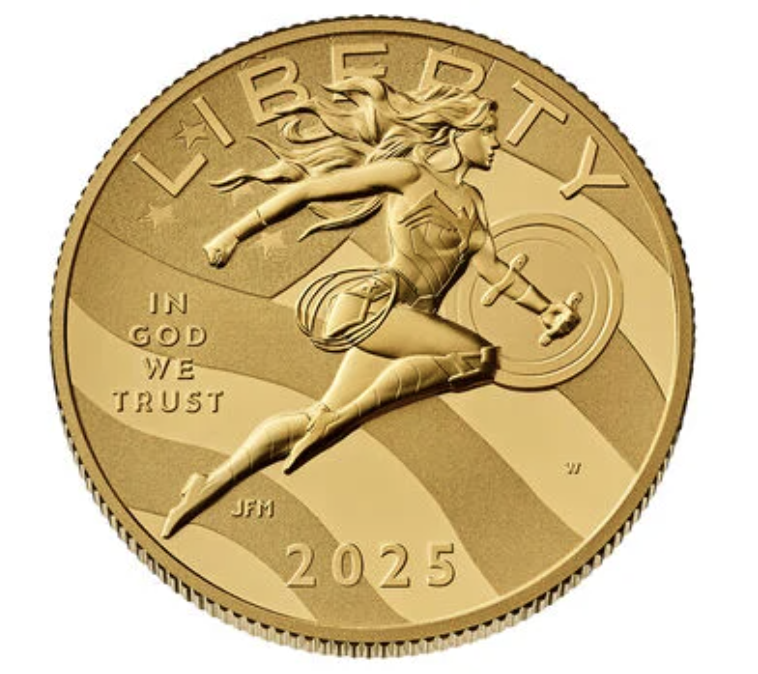
Because you've previously shown interest in Gold: We Found A Gold Offer That You Might Be Interested In!

By clicking the ad above, you will be directed to Microsectors.com (Privacy Policy).
Disclaimer: This content is for informational and entertainment purposes only and does not constitute financial or investment advice. The information provided may be outdated or contain inaccuracies. Always conduct your own due diligence and consult a licensed financial advisor before making investment decisions. Investing involves risk, including the potential loss of principal. Unless explicitly stated otherwise, neither Equiscreen, LLC nor its beneficial owners hold any financial interest in the companies mentioned in our articles, and we do not receive compensation for including them. Equiscreen, LLC and its beneficial owners may buy or sell securities of any company referenced in our content at any time and without prior notice, and nothing published by Equiscreen, LLC should be interpreted as a recommendation to buy, sell, or hold any security. Any paid content or income-related materials will be clearly identified as “Sponsored” or “Advertorial,” and corresponding income disclosures can be found at the bottom of the page. For additional information, please contact [email protected].
|
* Financial Data Delayed
* Financial Data Delayed
* Financial Data Delayed
|


|
Trading Ideas
|
Learn
|